
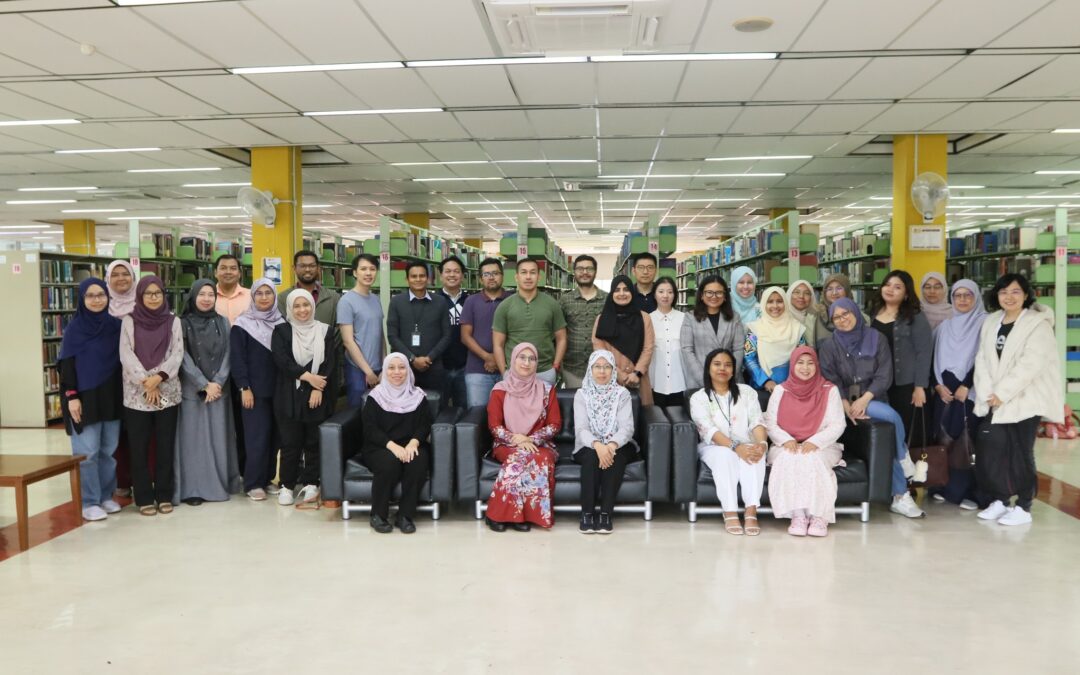
The UTM Library Kuala Lumpur successfully organized the Qualitative Data Analysis: NVivo vs NotebookLM Workshop on 13 May 2026 at Seminar Room 1, Level 3, UTM Library Kuala Lumpur. The one-day workshop brought together 38 participants comprising postgraduate students, academic staff, librarians, and researchers from both UTM and external institutions who were eager to strengthen their qualitative research and data analysis skills.
The workshop was conducted by Assoc. Prof. Sr. Dr. Siti Uzairiah Mohd Tobi from the Faculty of Artificial Intelligence (FAI), Universiti Teknologi Malaysia. Recognized for her expertise in qualitative research methodologies, data analytics, and AI-enhanced research practices, she shared practical insights and effective strategies for conducting systematic and impactful qualitative research using digital tools.
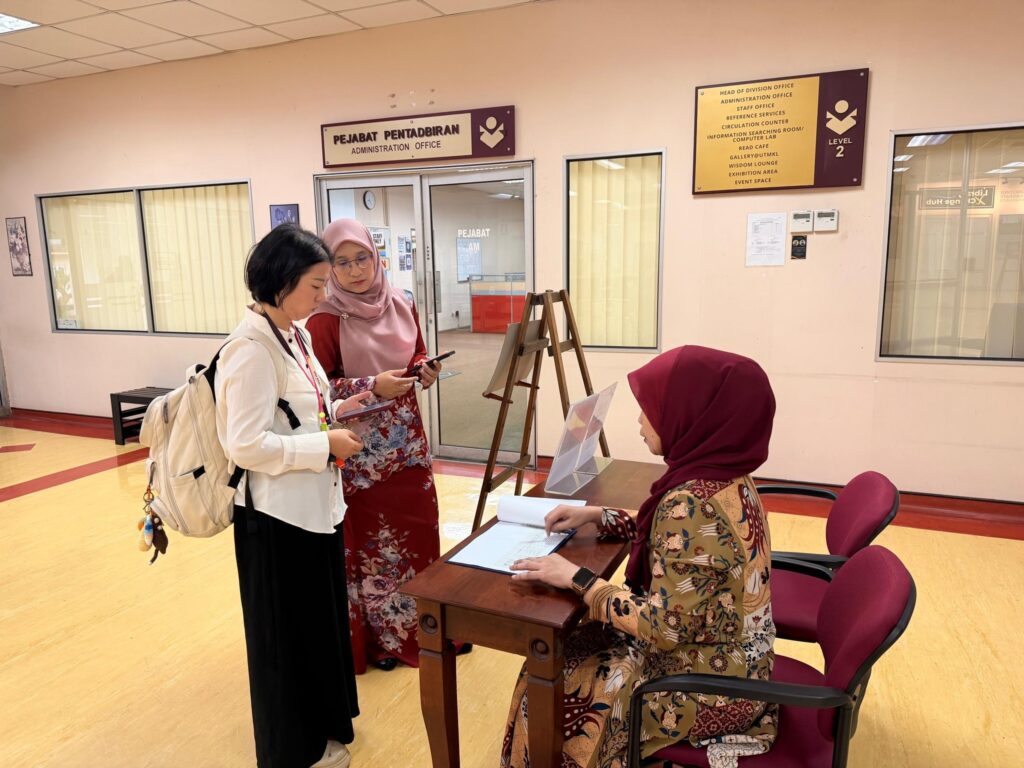
Throughout the workshop, participants explored qualitative data analysis techniques using NVivo and NotebookLM. Key topics included qualitative research workflows, data organization, coding and thematic analysis, AI-assisted literature synthesis, and visual presentation of research findings. The session also highlighted the distinct strengths of both platforms, with NVivo offering structured analytical features while NotebookLM demonstrated fast and efficient AI-powered research support.
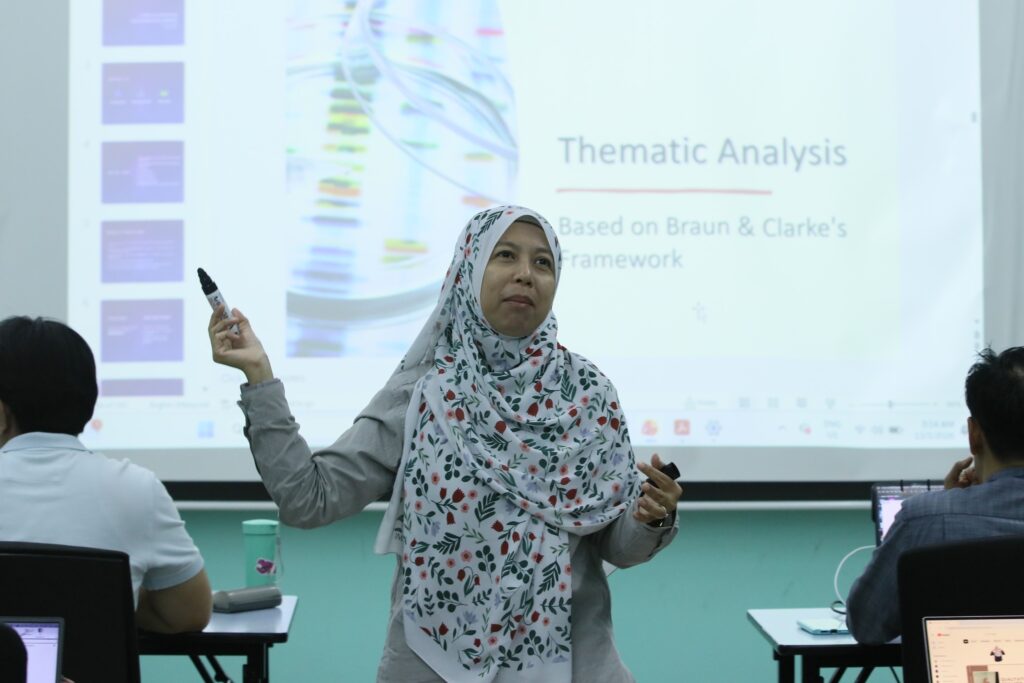
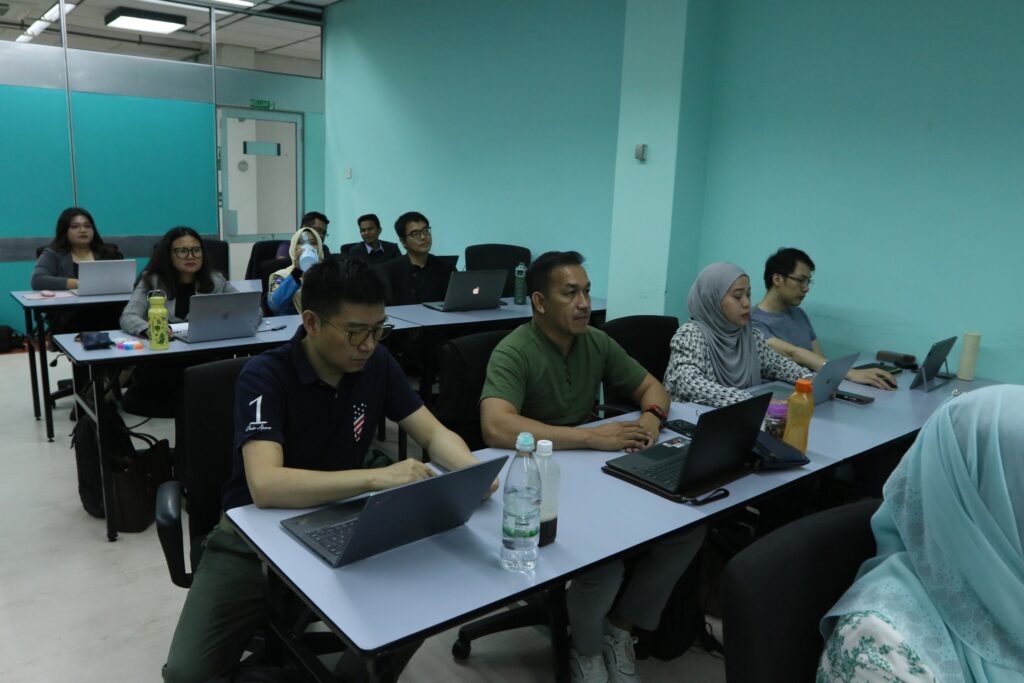
The workshop adopted a highly interactive and hands-on approach, allowing participants to apply the techniques learned through guided exercises and real research scenarios. The practical demonstrations and engaging delivery style created an active learning environment that encouraged discussion and knowledge sharing among participants.
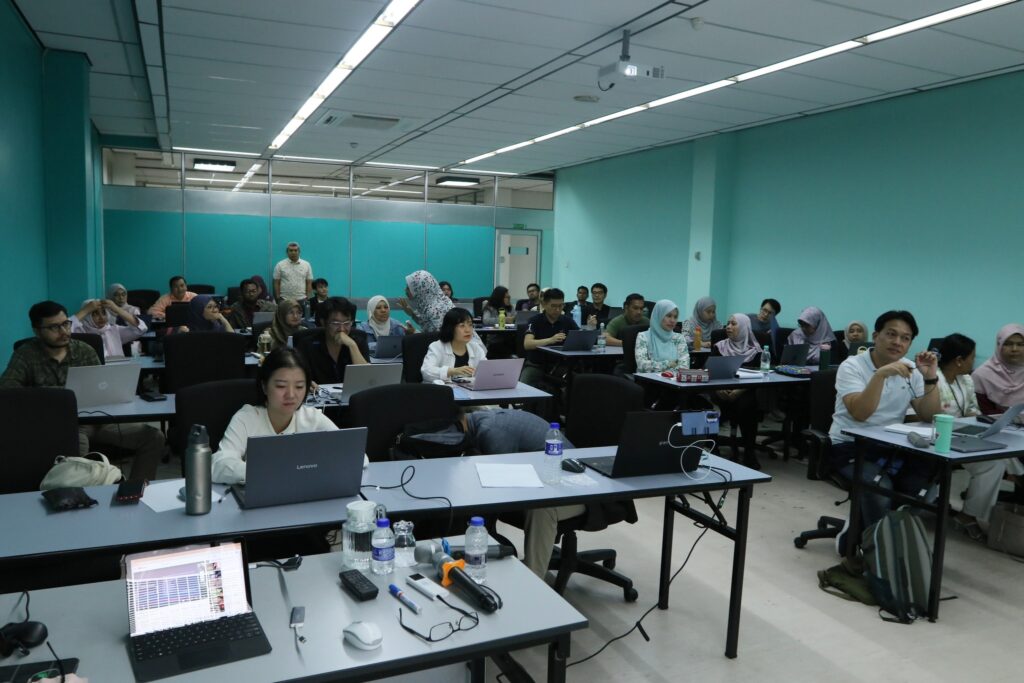
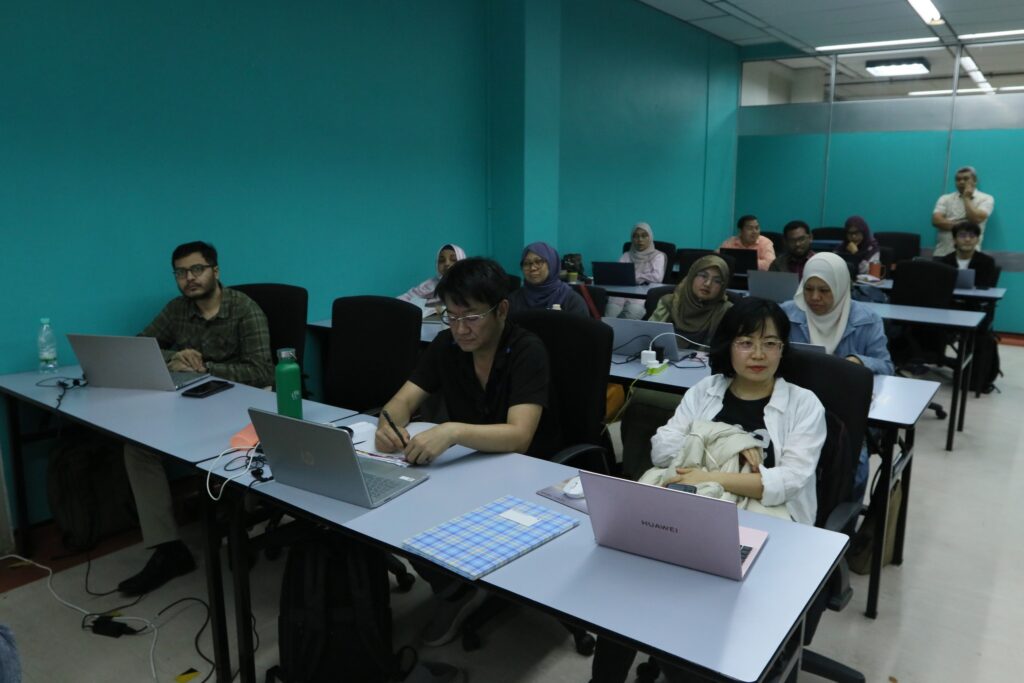
Participants provided highly positive feedback on the workshop, describing it as insightful, engaging, and relevant to current research demands. The session was particularly appreciated for its focus on the application of artificial intelligence in qualitative research. Participants reported increased confidence in conducting qualitative data analysis and expressed greater interest in adopting innovative methodologies and digital tools in their research activities.
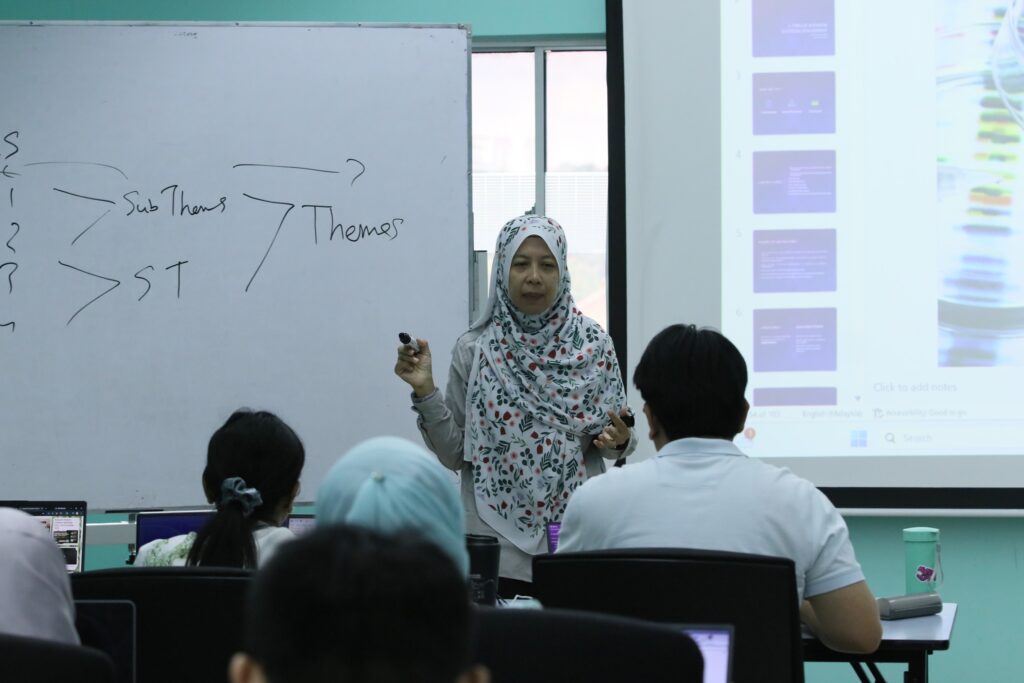
Several constructive suggestions were also received for future programs, including sharing workshop materials and technical requirements earlier, incorporating more group-based practical activities, and organizing advanced follow-up sessions focusing on NVivo report writing and deeper comparisons with NotebookLM. Participants also expressed strong interest in attending similar research-related workshops in the future.
The successful organization of this workshop reflects UTM Library Kuala Lumpur continuous commitment to supporting research excellence, digital scholarship, and lifelong learning within the academic and research community.
